

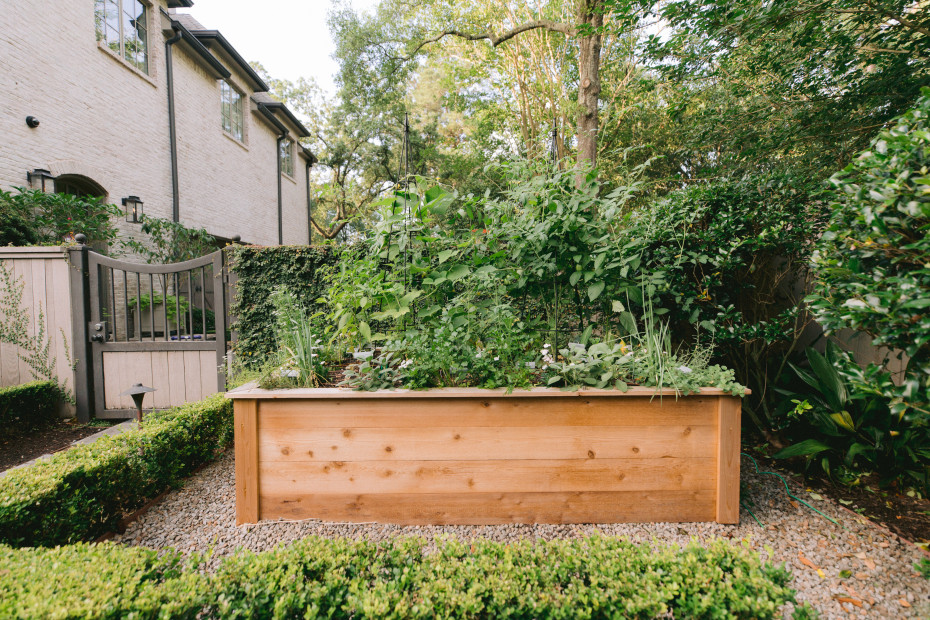

Creating a thriving flower garden starts long before you plant your first bloom. One of the most important decisions you’ll make is where to place your raised flower beds. The right location can mean the difference between vibrant, flourishing plants and a garden that struggles to grow. Whether you’re designing a peaceful backyard retreat or enhancing your home’s curb appeal, choosing the perfect spot requires a blend of practical planning and creative vision.
Understand Your Sunlight Exposure
Sunlight is the foundation of a healthy flower bed. Most flowering plants need at least 6 to 8 hours of direct sunlight each day. Before setting up your raised beds, take time to observe how sunlight moves across your yard.
Walk your space in the morning, midday, and late afternoon. Notice which areas receive full sun, partial shade, or full shade. South-facing areas typically get the most consistent sunlight, making them ideal for most flowering plants.
If your yard has limited sunny spots, don’t worry. Many beautiful flowers, such as impatiens, begonias, and hostas, thrive in partial shade. Matching your plant choices to your available light ensures long-term success.
Evaluate Soil and Drainage Conditions
Even though raised beds allow you to control soil quality, the underlying soil still plays a role in drainage. Avoid placing your beds in low-lying areas where water tends to collect after rain. Good drainage is essential because standing water can lead to root rot and other plant diseases. Choose a location that is slightly elevated or level, where excess water can flow away easily.
If drainage is a concern, you can improve it by adding a gravel base beneath your raised bed or selecting well-designed options like these raised planter beds from Keter, which are built to support proper water flow.
Consider Accessibility and Convenience
A beautiful garden should also be easy to maintain. When choosing a location, think about how often you’ll need to access your flower beds for watering, pruning, and harvesting.
Place your raised beds near a water source, such as a hose or irrigation system, to make regular care more convenient. You’ll also want enough space around each bed to move comfortably, especially if you plan to use gardening tools or kneel beside your plants.
For many homeowners, positioning flower beds near patios, walkways, or entryways adds both beauty and functionality. This way, you can enjoy your blooms daily without extra effort.
Think About Wind and Protection
Wind can be an overlooked factor when planning your garden layout. Strong winds can damage delicate flowers, dry out soil quickly, and even topple lightweight planters.
Look for natural windbreaks in your yard, such as fences, hedges, or walls. Placing your raised beds near these protective elements can help shield your plants from harsh conditions.
If your space is particularly exposed, consider adding trellises, decorative screens, or taller plants to create a buffer. This not only protects your flowers but also adds visual interest to your garden design.
Enhance Visual Appeal and Design Flow
Raised flower beds are not just functional—they’re also a key part of your outdoor aesthetic. Choosing the right location can elevate your entire landscape design.
Think about how your flower beds will look from different viewpoints, such as your windows, patio, or street. Placing them in visible areas allows you to enjoy their beauty throughout the day.
You can also use raised beds to define spaces in your yard. For example, they can create borders along pathways, frame a seating area, or highlight a focal point, such as a fountain or garden statue.
For a cohesive look, consider symmetry, spacing, and alignment with existing features. A well-placed raised bed can tie your entire outdoor space together.
Plan for Seasonal Changes
Your garden will evolve with the seasons, so it’s important to choose a location that supports year-round success. Pay attention to how trees, buildings, and other structures may cast shadows at different times of the year.
A spot that gets full sun in summer may become shaded in fall or winter. Planning helps you avoid surprises and ensures your flowers continue to thrive.
Additionally, consider how weather patterns in your area, such as heat waves or heavy rains, might impact your chosen location. A little foresight can save you time and effort later.
Balance Beauty with Practicality
It’s easy to get caught up in how your garden will look, but practicality should always guide your decisions. The perfect location balances sunlight, drainage, accessibility, and protection while still enhancing your home’s overall appearance.
Take your time evaluating your options before installing your raised beds. A thoughtful placement will reward you with healthier plants, easier maintenance, and a more enjoyable gardening experience.
By carefully selecting the right location, you set the stage for a flourishing flower garden that brings color, joy, and inspiration to your home for years to come.

Comments are closed.