

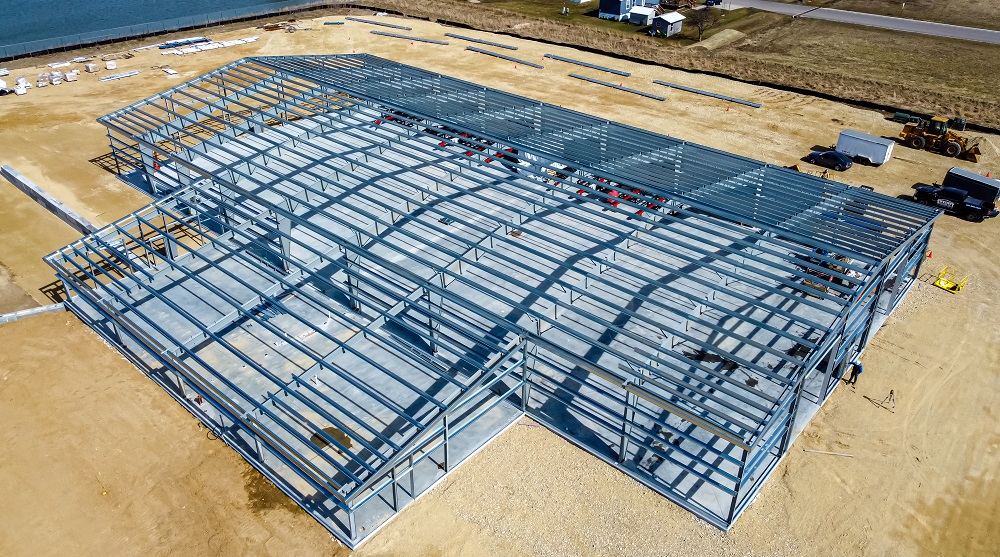

Construction is the structured process of planning, designing, and building infrastructure such as homes, commercial buildings, roads, bridges, and industrial facilities. It combines engineering knowledge, material science, project management, and skilled labor to transform concepts into functional physical structures.
The construction industry plays a vital role in economic growth by supporting housing development, transportation systems, energy infrastructure, and urban expansion. Today, the sector is rapidly evolving through digital tools, sustainable materials, and modern construction techniques.
Types of Construction
Construction projects are typically grouped into several categories depending on their purpose and scale.
1. Residential Construction
Residential construction focuses on building structures meant for living purposes.
Common examples include:
- Single-family homes
- Apartments
- Villas
- Townhouses
- Housing societies
This type of construction emphasizes comfort, safety, durability, and cost efficiency.
2. Commercial Construction
Commercial projects are designed for business use and public interaction.
Examples include:
- Office buildings
- Shopping malls
- Hotels
- Hospitals
- Educational institutions
These projects often require advanced planning, strict compliance standards, and specialized engineering systems.
3. Industrial Construction
Industrial construction involves facilities used for manufacturing and production.
Typical projects include:
- Factories
- Warehouses
- Power plants
- Oil refineries
They demand precision engineering, heavy-duty materials, and strict safety measures.
4. Infrastructure Construction
Infrastructure construction supports public services and transportation networks.
Examples include:
- Roads and highways
- Bridges
- Airports
- Railways
- Water supply systems
These projects form the backbone of national development.
Key Stages of the Construction Process
Every construction project follows a structured sequence of phases to ensure efficiency and safety.
1. Planning Phase
This is the foundation of a successful project.
Activities include:
- Site selection
- Budget estimation
- Feasibility studies
- Design preparation
- Approval from authorities
Proper planning reduces risks and prevents costly delays later.
2. Design Phase
Architects and engineers create technical drawings and structural plans during this stage.
Important aspects include:
- Structural design
- Electrical layout
- Plumbing systems
- HVAC planning
Accurate design ensures long-term performance and safety.
3. Pre-Construction Phase
Before actual building begins:
- Contractors are selected
- Materials are sourced
- Permits are obtained
- Schedules are finalized
This phase prepares the project for execution.
4. Construction Execution Phase
This is where physical building begins.
Major activities include:
- Site clearing
- Foundation construction
- Structural framework installation
- Roofing
- Wall construction
This phase requires coordination between engineers, contractors, and workers.
5. Finishing Phase
Final improvements enhance usability and aesthetics.
Common finishing works:
- Flooring installation
- Painting
- Electrical fittings
- Plumbing fixtures
- Interior decoration
After completion, inspection ensures compliance with safety standards.
Essential Construction Materials
Materials determine the strength, durability, and lifespan of any structure.
1. Cement
Cement acts as a binding material in concrete and mortar. It provides structural stability and load-bearing capacity.
2. Steel
Steel reinforcement improves tensile strength and supports structural loads effectively.
Common applications:
- Reinforced concrete structures
- Beams
- Columns
- Bridges
3. Bricks
Bricks are widely used for wall construction due to their durability and affordability.
4. Aggregates
Aggregates such as sand and gravel increase the strength of concrete mixtures.
5. Timber
Timber is used in:
- Doors
- Windows
- Roofing frameworks
- Interior finishing
It provides flexibility and aesthetic appeal.
Modern Construction Techniques
Technology is transforming how buildings are designed and constructed.
Prefabrication
Prefabricated components are manufactured off-site and assembled on-site.
Benefits include:
- Faster construction
- Reduced labor costs
- Improved quality control
Modular Construction
Entire building modules are produced in factories and transported to construction sites.
Advantages:
- Time-efficient
- Cost-effective
- Environmentally friendly
Green Construction
Sustainable construction reduces environmental impact.
Examples include:
- Solar energy integration
- Rainwater harvesting systems
- Energy-efficient insulation
- Recycled building materials
Green buildings improve long-term sustainability and reduce operational costs.
Smart Construction Technologies
Modern projects increasingly use:
- Building Information Modeling (BIM)
- Drones for site monitoring
- 3D printing
- AI-based project management tools
These technologies enhance accuracy and productivity.
Importance of Safety in Construction
Construction sites involve heavy machinery and high-risk activities.
Key safety practices include:
- Wearing protective equipment
- Regular equipment inspection
- Worker safety training
- Emergency preparedness planning
- Compliance with building regulations
Strong safety management prevents accidents and improves workforce productivity.
Role of Construction Project Management
Project management ensures that construction activities stay on track.
Responsibilities include:
- Budget control
- Schedule monitoring
- Resource allocation
- Risk management
- Quality assurance
Effective management leads to timely and successful project completion.
Future Trends in the Construction Industry
The industry is shifting toward innovation and sustainability.
Emerging trends include:
- Smart buildings with automation systems
- Eco-friendly materials
- Digital construction monitoring
- Robotics in construction
- Net-zero energy buildings
These developments are reshaping the future of infrastructure worldwide
Frequently Asked Questions (FAQs)
1. What is the most important stage in construction?
The planning stage is the most critical because it defines the project’s scope, budget, design strategy, and execution roadmap.
2. Which material is strongest for building construction?
Reinforced concrete combined with structural steel provides excellent strength and durability for most construction applications.
3. How long does a typical residential construction project take?
Depending on size and complexity, residential construction usually takes between 6 months and 18 months.
4. What is prefabricated construction?
Prefabricated construction involves manufacturing building components in a factory and assembling them at the site to save time and cost.
5. Why is green construction becoming popular?
Green construction reduces environmental impact, lowers energy consumption, and improves long-term cost efficiency.
6. What skills are required in the construction industry?
Key skills include:
- Technical knowledge
- Project management
- Safety awareness
- Communication
- Problem-solving ability
7. How does technology improve construction efficiency?
Technology improves efficiency through automation, digital planning tools, drone monitoring, and AI-based scheduling systems, which reduce errors and speed up project timelines.

Comments are closed.