

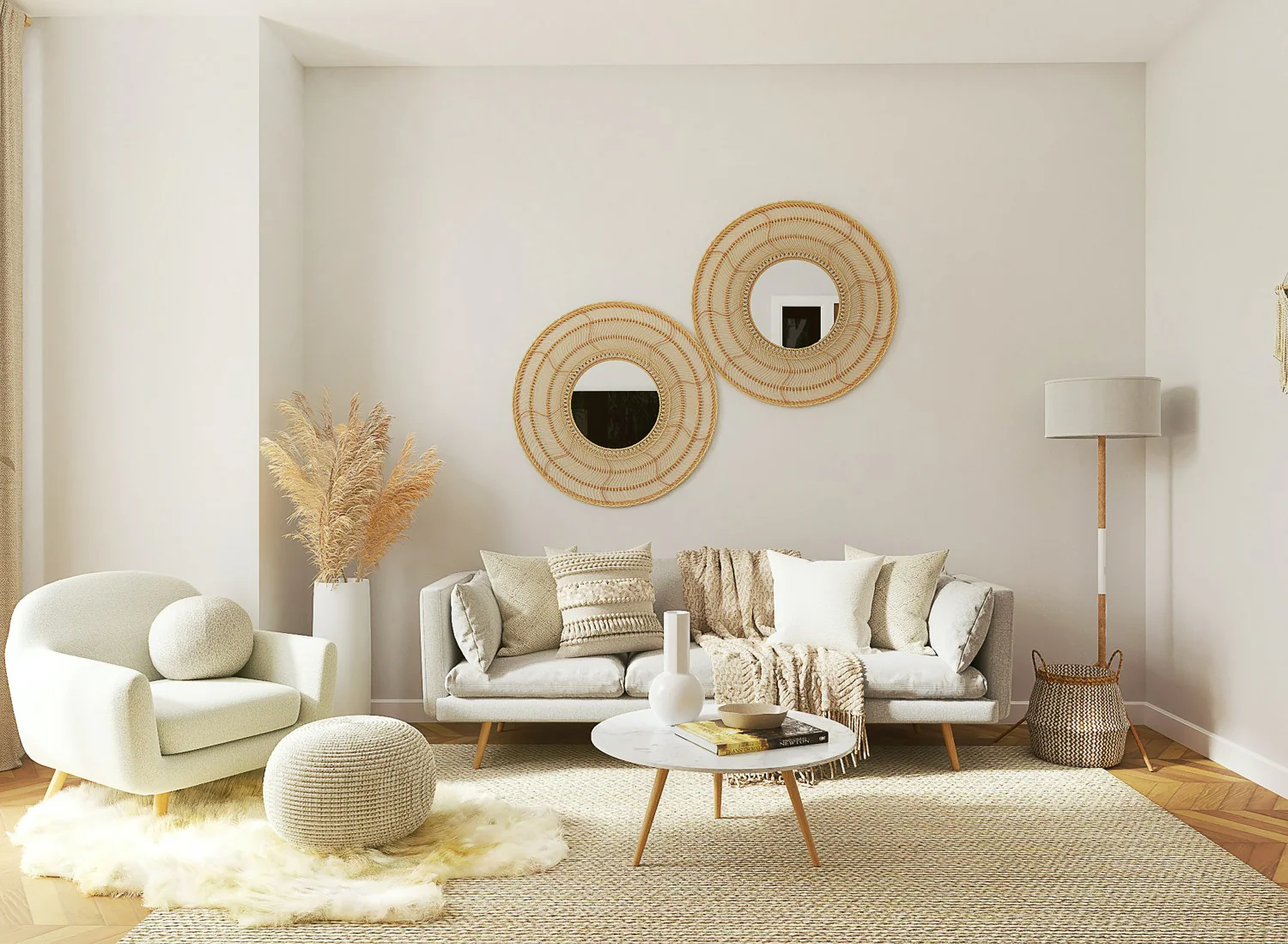

Minimalist furniture is more than a visual trend—it’s a practical approach to designing calm, efficient, and breathable living spaces. By focusing on simplicity, functionality, and intentional choices, minimalist interiors reduce distractions and improve everyday comfort.
Choosing the right minimalist furniture styles helps create homes that feel organized, spacious, and visually balanced without sacrificing warmth or personality.
What Defines Minimalist Furniture?
Minimalist furniture emphasizes clean lines, neutral tones, functional purpose, and reduced visual weight. Instead of filling rooms with decorative excess, the focus shifts toward quality pieces that support everyday living.
Key characteristics include:
- Simple geometric shapes
- Neutral or muted color palettes
- Lightweight visual appearance
- Hidden or smart storage features
- Multi-functional design elements
- Natural material finishes
Minimalism isn’t about having less furniture—it’s about having better furniture choices.
Scandinavian Minimalist Furniture Style
Scandinavian furniture combines simplicity with warmth. It’s one of the most approachable minimalist styles because it avoids feeling cold or overly stark.
Typical features include:
- Light wood finishes like oak or ash
- White and soft grey color palettes
- Slim-profile sofas and chairs
- Functional storage benches
- Open shelving with clean structure
This style works especially well in smaller homes because it enhances brightness and openness.
Best suited for:
- Apartments
- Compact living rooms
- Study areas
- Bedrooms needing calm energy
Japanese Minimalist Furniture Style
Japanese minimalism focuses on balance, space awareness, and intentional living. Furniture remains low-profile and visually quiet.
Common elements include:
- Low platform beds
- Floor-level seating
- Natural wood textures
- Neutral earth-inspired tones
- Sliding storage panels
This approach creates interiors that feel grounded and peaceful.
It is particularly effective for homeowners seeking a meditative and clutter-free environment.
Modern Monochrome Minimalist Furniture
Monochrome minimalist furniture relies on layered shades within a single palette to create depth without adding visual noise.
Popular color directions include:
- Black and white contrast
- Soft greys with charcoal accents
- Beige layered neutrals
Furniture pieces often include:
- Sleek modular sofas
- Matte-finish coffee tables
- Floating shelves
- Handle-free storage units
This style suits contemporary homes that prioritize sophistication with simplicity.
Multi-Functional Minimalist Furniture
Multi-functional furniture is essential for maintaining clutter-free interiors, especially in compact homes.
Smart minimalist solutions include:
- Sofa beds with concealed storage
- Foldable dining tables
- Wall-mounted desks
- Storage ottomans
- Lift-top coffee tables
Each piece serves more than one purpose, reducing the need for extra furniture.
This approach supports both space efficiency and visual clarity.
Floating and Wall-Mounted Furniture Styles
Floating furniture enhances openness by freeing floor space and improving movement flow.
Common examples include:
- Floating TV consoles
- Wall-mounted desks
- Suspended nightstands
- Floating storage cabinets
These pieces create the illusion of a larger room while keeping surfaces clean and organized.
They also make cleaning easier and reduce visual heaviness in tight layouts.
Neutral Tone Furniture for Visual Calm
Color plays a powerful role in minimalist interiors. Neutral-toned furniture supports clarity and harmony across spaces.
Reliable minimalist color choices include:
- Warm beige
- Soft grey
- Off-white
- Sand tones
- Muted taupe
These tones reflect light evenly and blend well with natural materials such as wood, linen, and stone.
Consistency across furniture finishes strengthens the overall minimalist effect.
Choosing the Right Minimalist Furniture Layout
Furniture placement matters as much as furniture selection.
Effective layout strategies include:
- Leaving breathing space between major pieces
- Aligning furniture with natural walking paths
- Limiting decorative accessories
- Prioritizing storage-integrated furniture
- Keeping surfaces intentionally clear
A well-planned layout helps rooms feel lighter without reducing comfort.
Materials That Support Minimalist Living
Material selection influences how clean and cohesive a space feels.
Popular minimalist materials include:
- Natural wood
- Matte metal finishes
- Linen upholstery
- Cotton fabrics
- Glass tabletops
Combining only two or three materials per room helps maintain consistency without visual overload.
FAQ
1. Is minimalist furniture suitable for large homes?
Yes. In larger homes, minimalist furniture prevents spaces from feeling overly decorated and maintains visual balance across rooms.
2. How do I avoid making minimalist interiors feel empty?
Use layered textures like rugs, cushions, and wood finishes to add warmth without increasing clutter.
3. Can minimalist furniture include bold statement pieces?
Yes. A single statement chair or table can enhance the space if the surrounding furniture remains simple.
4. What type of sofa works best in minimalist living rooms?
Low-profile sofas with clean edges and neutral upholstery are ideal for maintaining a streamlined appearance.
5. Does minimalist furniture require hidden storage?
Hidden storage is helpful but not mandatory. The goal is reducing visible clutter, not eliminating storage entirely.
6. How do I transition from traditional furniture to minimalist furniture gradually?
Start by replacing bulky items with multi-functional pieces and simplifying color palettes room by room.
7. Are minimalist furniture styles expensive to maintain?
Not necessarily. Investing in fewer, durable pieces often reduces replacement costs over time.

Comments are closed.