

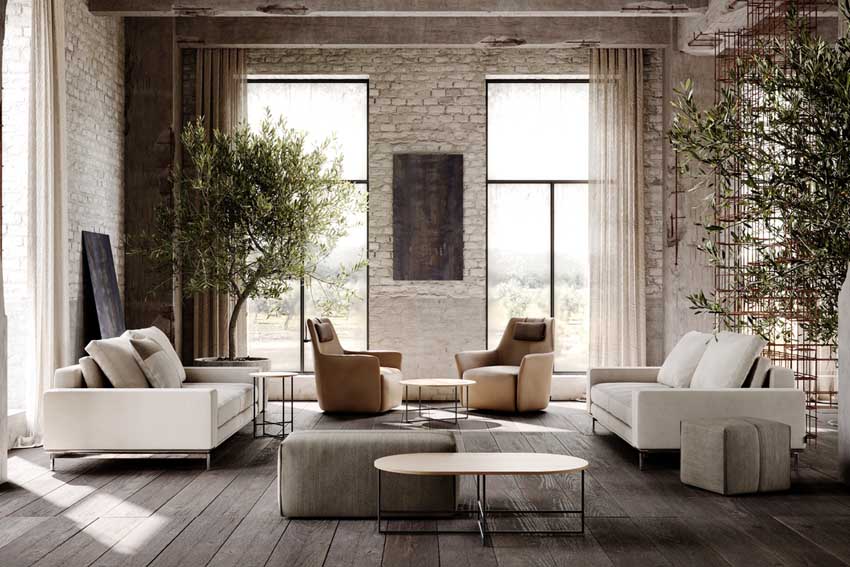

Modern homeowners are rethinking how their living spaces look, feel, and function. Today’s interior design trends focus on comfort, personalization, sustainability, and flexibility, reflecting the way people actually live rather than how homes traditionally looked in magazines. From calming natural palettes to smart multi-purpose layouts, the newest styles prioritize both aesthetics and everyday practicality.
Below are the most loved interior design directions shaping homes right now—and why they continue gaining popularity.
Nature-Inspired Interiors and Earthy Materials
One of the strongest shifts in interior design is the movement toward biophilic living, which connects indoor environments with nature. Homeowners increasingly want spaces that feel calming and grounded.
Key features include:
- Indoor plants as design statements
- Natural wood, stone, linen, and clay finishes
- Neutral palettes such as beige, olive, sand, and terracotta
- Large windows that maximize daylight
These elements create interiors that feel peaceful, breathable, and timeless rather than overly styled or artificial.
Multifunctional Spaces That Adapt to Daily Life
Homes now serve more purposes than ever. Instead of rigid layouts, homeowners prefer flexible interiors that evolve throughout the day.
Popular solutions include:
- Living rooms doubling as home offices
- Extendable dining tables
- Fold-away desks and wall-mounted workstations
- Modular sofas that rearrange easily
These choices allow homeowners to make the most of their space—especially in compact urban homes.
Warm Minimalism Instead of Cold Simplicity
Minimalism hasn’t disappeared—it has simply evolved. Today’s version focuses on comfort, warmth, and personality rather than stark emptiness.
Warm minimalism often includes:
- Soft neutral palettes instead of pure white
- Textured fabrics like wool, boucle, and linen
- Rounded furniture silhouettes
- Layered lighting for depth and comfort
The result is a home that feels clean yet inviting, rather than overly structured or clinical.
Statement Lighting as Functional Art
Lighting has become one of the most expressive design tools in modern homes. Instead of being purely functional, fixtures now act as focal points.
Trending lighting choices include:
- Sculptural pendant lights
- Oversized floor lamps
- Layered ambient lighting setups
- Warm-toned LEDs for comfort
Thoughtfully placed lighting enhances both mood and architectural character.
Sustainable and Eco-Friendly Materials
Environmental awareness strongly influences today’s design decisions. Homeowners increasingly prioritize materials that support long-term well-being.
Popular sustainable options include:
- Reclaimed wood furniture
- Bamboo flooring
- Organic cotton and linen upholstery
- Low-VOC paints
These choices reduce environmental impact while creating interiors that feel authentic and enduring.
Personalized Spaces That Reflect Identity
Homes are no longer designed to follow strict style rules. Instead, people want interiors that tell their story.
Ways homeowners personalize their interiors include:
- Mixing vintage and modern pieces
- Displaying travel souvenirs
- Using custom wall colors
- Adding handmade décor elements
This trend celebrates individuality and makes homes feel genuinely lived-in rather than staged.
Curved Shapes and Soft Silhouettes
Sharp edges are gradually giving way to gentler forms that make interiors feel relaxed and welcoming.
Common curved elements include:
- Arched doorways
- Rounded sofas
- Circular mirrors
- Oval dining tables
These shapes subtly improve spatial flow and create visual harmony throughout the home.
Smart Technology That Blends Seamlessly Into Design
Technology is becoming more integrated—but less visible.
Today’s smart homes prioritize:
- Voice-controlled lighting
- Hidden charging stations
- Smart thermostats
- App-controlled window treatments
The goal is convenience without disrupting the visual simplicity of the space.
Texture Layering for Depth and Comfort
Instead of relying only on color contrast, designers now create interest through texture combinations.
Popular layering techniques include:
- Rugs over hardwood floors
- Linen curtains paired with wooden blinds
- Woven baskets and ceramics
- Upholstery mixed with leather accents
Texture layering helps interiors feel dynamic, comfortable, and visually rich.
FAQs
1. What interior design trend is most popular right now?
Nature-inspired interiors featuring earthy colors, natural materials, and indoor greenery remain one of the most widely adopted trends across modern homes.
2. Are open floor plans still in style?
Yes, but homeowners now prefer flexible layouts that allow partial separation through furniture placement, sliding panels, or zoning techniques.
3. How can I update my home without a full renovation?
Simple changes like switching lighting fixtures, adding textured textiles, repainting walls, or introducing indoor plants can significantly refresh your interior.
4. Is minimalism going out of trend?
Minimalism is evolving rather than disappearing. Warm minimalism—with softer colors and cozy materials—is currently more popular than strict minimal styles.
5. Which colors are trending in modern interiors?
Earth tones such as beige, terracotta, olive green, warm gray, and sand shades are widely preferred for their calming and timeless appeal.
6. How do homeowners make small spaces look stylish today?
They use multifunctional furniture, layered lighting, mirrors for depth, and vertical storage solutions to maximize both usability and visual openness.
7. Is smart home technology necessary for modern interior design?
It isn’t essential, but integrated smart lighting, climate control, and hidden charging stations add convenience while supporting a cleaner and more efficient living environment.

Comments are closed.