

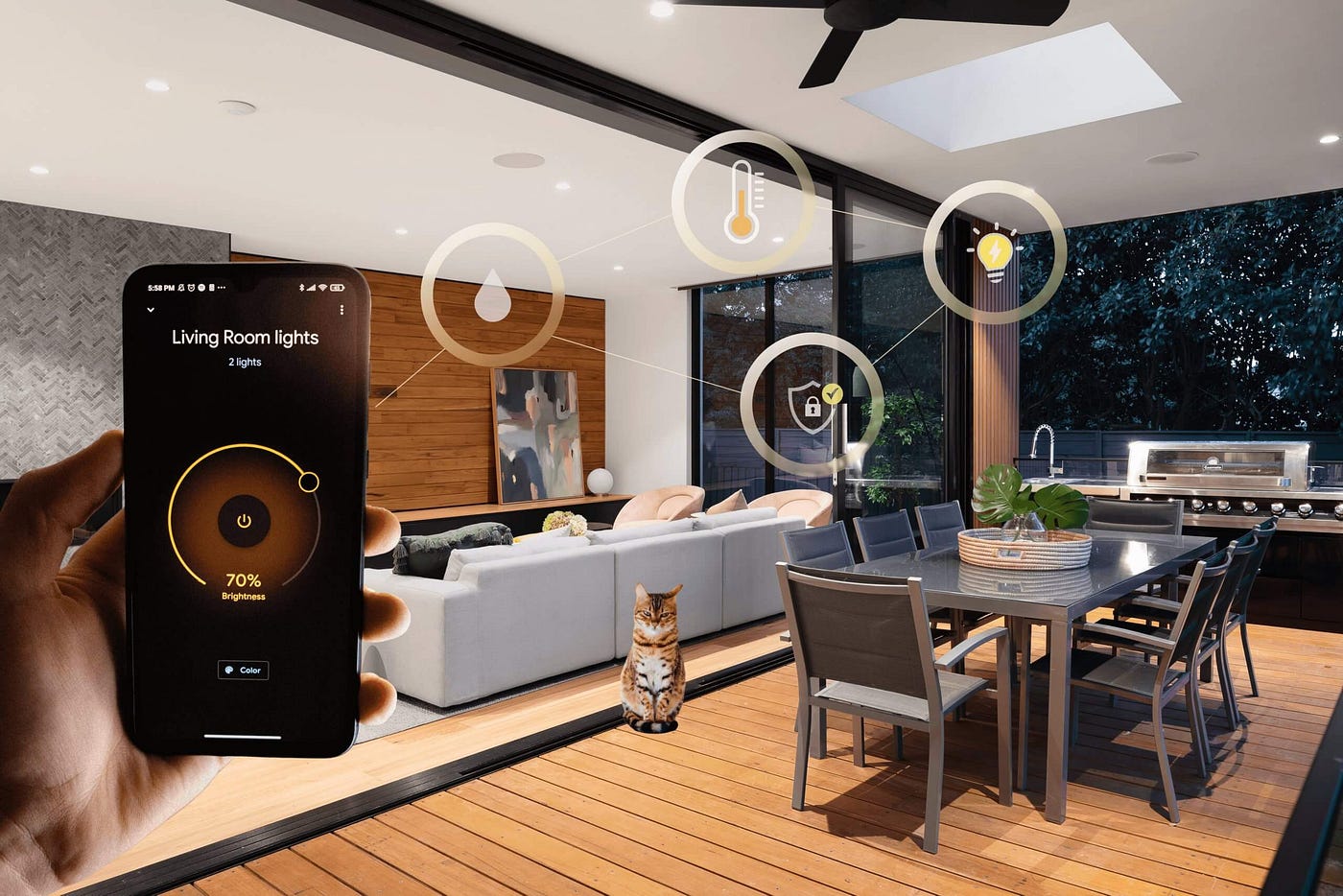

Home automation is transforming how people interact with their living spaces. From controlling lights with a voice command to managing security remotely, smart technology is making homes more efficient, secure, and comfortable. As connected devices become more accessible and affordable, automation is shifting from a luxury feature to a practical upgrade for everyday living.
A well-designed smart home improves convenience, reduces energy consumption, and enhances safety while simplifying daily routines.
What Is Home Automation?
Home automation refers to the integration of smart devices and digital control systems that allow homeowners to manage lighting, appliances, security, climate, and entertainment from a smartphone, tablet, or voice assistant.
These systems operate through:
- Mobile applications
- Voice control platforms
- Wireless sensors
- Central automation hubs
- Internet-connected devices
The goal is to create a responsive environment that adapts to user preferences automatically.
Smart Lighting Systems for Efficient Living
Smart lighting is often the first step toward home automation because it delivers immediate comfort and energy savings.
Key benefits include:
- Remote on/off control
- Adjustable brightness levels
- Color temperature customization
- Motion sensor activation
- Scheduled lighting routines
Automated lighting also improves home security by simulating occupancy when residents are away.
Intelligent Climate Control Systems
Climate automation helps maintain comfortable indoor conditions while reducing energy waste.
Smart climate systems allow users to:
- Adjust temperature remotely
- Set daily schedules
- Monitor energy consumption
- Maintain room-specific temperature zones
Over time, these systems learn usage patterns and adjust settings automatically for better efficiency.
Advanced Home Security Automation
Security automation provides peace of mind through real-time monitoring and instant alerts.
Popular smart security solutions include:
- Video doorbells
- Smart locks
- Motion sensors
- Indoor and outdoor cameras
- Window and door sensors
These devices allow homeowners to monitor their property from anywhere using mobile applications.
Smart Entertainment Integration
Entertainment automation creates seamless control over audio and visual experiences throughout the home.
Users can:
- Sync speakers across rooms
- Control television with voice commands
- Adjust lighting for movie viewing
- Manage streaming platforms centrally
This integration improves both convenience and atmosphere.
Kitchen Automation for Daily Efficiency
Smart kitchen technology simplifies meal preparation and improves appliance management.
Common automated kitchen features include:
- Smart refrigerators with inventory tracking
- Voice-controlled ovens
- App-connected coffee makers
- Automated dishwashers
These tools help streamline daily routines and reduce manual effort.
Energy Management Through Automation
Energy efficiency is one of the strongest advantages of home automation.
Smart energy systems help homeowners:
- Monitor electricity usage
- Reduce unnecessary power consumption
- Automate appliance schedules
- Optimize heating and cooling cycles
- Control lighting remotely
Lower energy usage leads to both environmental benefits and reduced monthly costs.
Voice Assistants as Central Control Hubs
Voice assistants act as the command center for many automation systems.
They allow users to:
- Control multiple devices instantly
- Set reminders and schedules
- Adjust lighting and temperature
- Manage entertainment systems
Voice-enabled automation improves accessibility for all age groups.
Benefits of Home Automation in Everyday Life
Smart homes support modern lifestyles by simplifying routine tasks and improving living comfort.
Major advantages include:
- Increased safety and monitoring
- Improved energy efficiency
- Enhanced daily convenience
- Remote home access from anywhere
- Personalized environment settings
- Time-saving automation routines
These benefits continue to expand as technology evolves.
Planning a Home Automation Setup
A successful automation setup begins with selecting systems that match household needs rather than installing unnecessary devices.
Smart planning tips include:
- Start with lighting automation
- Add climate control next
- Integrate security features gradually
- Choose compatible devices within one ecosystem
- Ensure reliable internet connectivity
Building automation step by step makes the transition easier and more cost-effective.
FAQ
1. Is home automation suitable for older houses?
Yes. Many smart devices use wireless technology and can be installed without major structural changes.
2. Does home automation increase property value?
Smart features often make homes more attractive to buyers and can improve resale appeal.
3. Can home automation systems work during internet outages?
Some systems continue functioning locally, but remote access features may be temporarily unavailable.
4. Is home automation difficult to maintain?
Most smart devices require minimal maintenance beyond software updates and occasional battery replacement.
5. Are smart homes expensive to set up?
Costs vary depending on system complexity, but starting with basic automation like lighting keeps the investment manageable.
6. Can multiple family members control the same automation system?
Yes. Most platforms allow shared access through multiple user profiles.
7. Is home automation safe from unauthorized access?
Using strong passwords, secure networks, and updated software helps maintain system security effectively.

Comments are closed.