

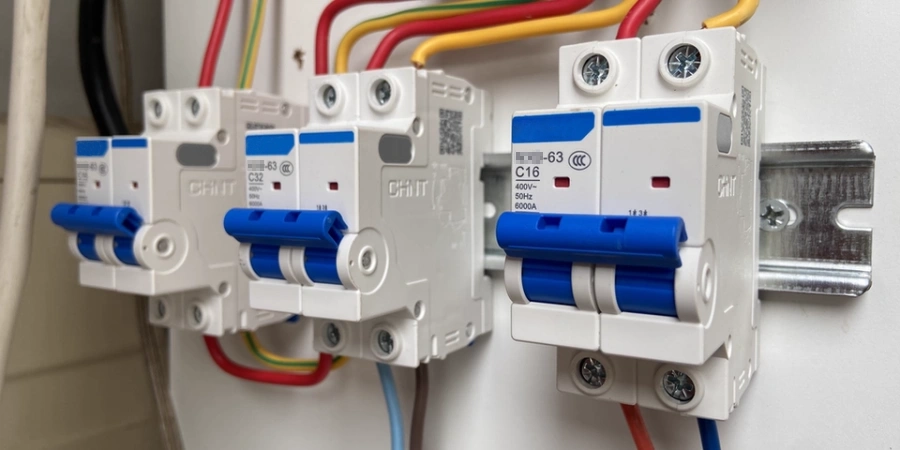

A tripped breaker in the middle of dinner isn’t a nuisance. It’s a bill you haven’t seen yet. The panel in your utility closet is the front line against that number, and when it keeps tripping, it’s trying to tell you something you probably don’t want to hear.
Most homeowners answer that message by moving the toaster to a different outlet. Instead of the fix they assume, it’s simply a delay.
The Symptom Everyone Recognizes and Misreads
You know the pattern. The microwave and the coffee maker run together and the kitchen goes dark. You reset the breaker, unplug one thing, and get on with your morning. A week later it happens again. Maybe the lights dim when the AC compressor kicks on, or maybe an outlet feels warm to the touch.
Homeowners tend to read these as isolated events, each with its own small fix: move the appliance, buy a surge strip, swap a bulb, and move on.
But when the same panel keeps intervening, it isn’t misbehaving. It’s doing exactly what it’s designed to do: cut power before something in the wall gets hot enough to matter. The trip is a warning.
Why the Obvious Fixes Don’t Actually Fix Anything
Almost every intuitive response to a nuisance trip leaves the underlying condition in place. A few of the usual suspects:
- Adding a power strip. A strip doesn’t create new capacity. It gives you more places to plug things into the same overtaxed circuit.
- Swapping in a bigger breaker. This is the dangerous one. A 20-amp breaker on 14-gauge wire lets more current flow than the wire is rated to carry. The breaker stops tripping. The wire keeps heating.
- Running an extension cord. You’ve moved the load, not reduced it. And you’ve added a cord that isn’t meant for permanent duty, usually snaking under a rug where you won’t notice damage.
- Unplugging things until it stops. A workable habit for a week. An admission that the house can’t run the appliances you actually own.
Each of these treats the panel like the antagonist when really, the panel is a referee. If you keep arguing with the referee instead of the play, you’ll lose the game every time.
What’s Actually Happening Behind the Wall
Houses built in the 1970s and 80s were often wired for a very different appliance mix than the one you own now. Induction ranges, tankless water heaters, EV chargers, heat pumps, and the many usually-on electronics in a modern living room can pull from the same service that used to power a fridge, a TV, and a window unit.
The result is often a panel that’s technically working but structurally undersized. Circuits that were general-purpose in 1985 are typically dedicated in a modern kitchen. A 100-amp service that met code then can be a bottleneck now. The breaker isn’t overreacting; your house has gradually outgrown the electrical system it was born with.
What Actually Works Starts With a Load Calculation
A real fix begins with math, not muscle. A licensed electrician runs a load calculation that adds up your existing circuits, your major appliances, and the future loads you’re planning, then compares that against the size of your service and the capacity of your panel. Only after that number is on paper can anyone honestly say whether you need a new circuit, a subpanel, or a full service upgrade.
From there, the work is usually some combination of these:
- Redistribute the load. Move heavy draws like a microwave or space heater onto their own dedicated circuits so they stop sharing a wire with everything else in the room.
- Add a subpanel. When a kitchen remodel or a garage workshop adds significant load in one part of the house, a subpanel closer to that load reduces long wire runs and frees up slots in the main panel.
- Upgrade the service. If the main breaker is already 100 amps and you’re planning an EV charger or a heat pump, a bump to 200 amps is often less expensive than repeatedly reworking around the old service.
- Replace the panel itself. Certain older panels have known safety histories and are worth retiring on their own, regardless of load.
None of this is DIY-friendly, and in most jurisdictions it isn’t legal to do yourself. In Houston, for example, an electrical permit is required for even relatively minor fixture work, and permits are only issued to registered master electricians.
If you’re in the Houston area and the pattern in your kitchen sounds familiar, the next step is a load calc and a panel inspection from a licensed local electrician. A one-hour visit tells you whether you’re looking at a single new circuit or a service upgrade, and either answer is cheaper than the fire you’re trying not to have.

Comments are closed.