

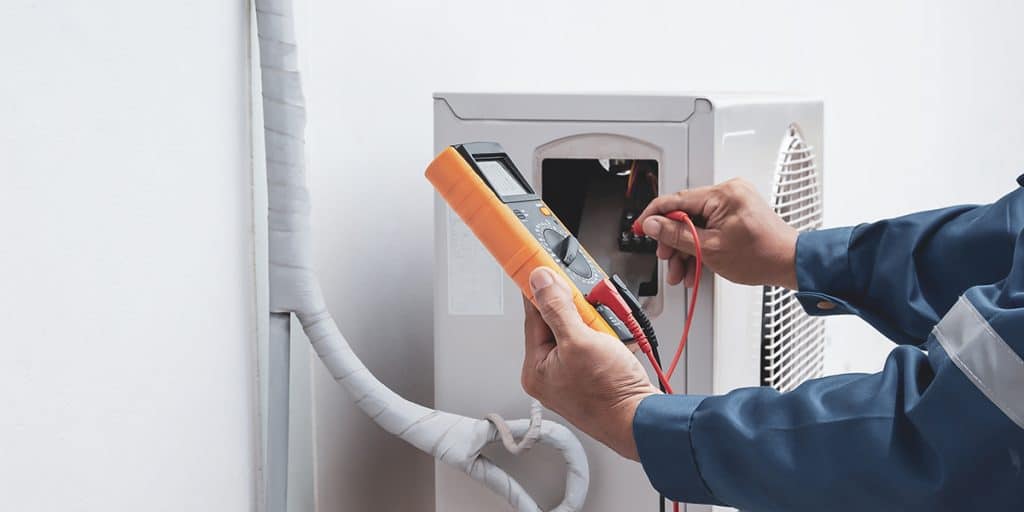

A heat pump is one of the most efficient and versatile systems you can have in a home. It handles both heating and cooling from a single unit, uses significantly less energy than traditional furnace-and-AC setups, and when properly maintained, can run reliably for 15 years or more. But like any mechanical system, it gives off warning signs when something is starting to go wrong. The problem is that most homeowners either miss those signs or convince themselves the system will sort itself out. It rarely does. Catching heat pump issues early is almost always cheaper and less disruptive than waiting for a full breakdown.
The System Is Running but Not Heating or Cooling Effectively
This is one of the most common complaints, and it almost always points to a real underlying problem rather than a thermostat setting. If your heat pump is running constantly but your home isn’t reaching the temperature you’ve set, the system is working harder than it should to achieve less than it should. That gap between effort and output is a red flag.
Common causes include a refrigerant leak, a failing reversing valve, dirty coils, or an oversized or undersized system that was never properly matched to your home’s load. In mild-climate regions where heat pumps handle the full range of seasonal temperatures, these issues tend to surface during the transition between heating and cooling modes. For homeowners dealing with this pattern, reaching out for heat pump repair in Charleston, SC before the inefficiency compounds into a larger mechanical failure is the smartest move you can make.
Strange Sounds Coming From the Unit
A properly functioning heat pump operates with a low, steady hum. Some noise during startup and shutdown is normal, but sounds that are new, persistent, or getting worse deserve attention.
What different sounds typically mean
- Grinding or screeching often points to a failing motor bearing or blower wheel issue.
- Clicking that continues beyond normal startup can indicate a failing capacitor or relay switch.
- Rattling suggests loose components, debris in the outdoor unit, or a failing fan blade.
- Bubbling or hissing near the refrigerant lines is a strong indicator of a refrigerant leak.
None of these sounds go away on their own, and most worsen over time. The longer a compromised component runs under load, the more strain it places on everything connected to it.
Short Cycling — When the System Turns On and Off Too Frequently
A heat pump that kicks on, runs for a minute or two, and then shuts off before completing a full cycle is short cycling. It’s hard on the compressor, which is the most expensive component in the system, and it’s a sign that something is disrupting the normal operating sequence.
Short cycling can be caused by an oversized system, a refrigerant charge that’s off, a dirty air filter restricting airflow, or a malfunctioning thermostat reading incorrect temperatures. Some of these are easy fixes. Others require a technician to properly diagnose and correct. What they all have in common is that the problem worsens with every unnecessary start-stop cycle, so acting quickly reduces the risk of compressor damage.
Ice Forming on the Outdoor Unit
Some frost on the outdoor unit during cold weather is normal — heat pumps have a defrost cycle specifically to handle this. What isn’t normal is thick ice buildup that persists throughout the day, coats the coils entirely, or prevents the fan from operating. That level of icing points to a deeper problem.
The most likely causes
- Low refrigerant charge causing the coil pressure to drop below its operating range.
- A malfunctioning defrost board or defrost sensor that prevents the cycle from activating.
- Blocked airflow from a dirty filter, closed vents, or debris packed around the outdoor unit.
Running a heavily iced unit without addressing the cause risks compressor damage. If the ice isn’t clearing after a normal defrost cycle, shut the system down and call a technician rather than letting it continue running under those conditions.
Rising Energy Bills Without a Change in Usage
A heat pump that’s losing efficiency will show up in your utility bills before it shows up in any other obvious way. If your energy costs have climbed noticeably over one or two billing cycles — and you haven’t changed your thermostat settings, added occupants, or had unusual weather — the system itself is the most likely cause.
Dirty coils, degraded refrigerant charge, aging components running outside their optimal range, and air duct leaks all force the system to consume more energy to deliver the same output. An annual tune-up catches most of these issues before they show up on your bill. If the increase has already happened, a diagnostic visit can identify where the efficiency is being lost.
Water or Refrigerant Leaks Around the System
Some condensation around an air handler in humid weather is normal. Puddles, persistent moisture, or oily residue near refrigerant lines are not. Water pooling around the indoor unit usually means a clogged condensate drain line, which is a straightforward fix but one that can cause water damage if left unattended. Refrigerant leaks are more serious — low refrigerant degrades system performance, stresses the compressor, and requires a certified technician to locate, repair, and recharge properly.
Never ignore visible leaks near your HVAC equipment. They don’t resolve on their own, and the secondary damage — mold growth from moisture, compressor failure from low refrigerant — almost always costs more to fix than the original leak.
When to Call a Professional Instead of Waiting
The honest answer is: sooner than most people do. Heat pumps operate as integrated systems where one failing component puts stress on everything else. A refrigerant leak that’s low on your radar today can cause compressor failure by next season. A capacitor that’s struggling now will eventually prevent the system from starting at all.
Scheduling a professional inspection at the first sign of any issue on this list is the most cost-effective approach. For homeowners in the region, timely heat pump repair in Charleston, SC is especially important given the year-round reliance on these systems — unlike colder climates where heating season is short, the mild winters here mean heat pumps run in some capacity almost every month of the year. That continuous use makes regular attention to performance and maintenance not optional, but essential.
The Bottom Line
Heat pumps are reliable, efficient, and cost-effective — but only when they’re maintained and repaired promptly. The warning signs covered in this article don’t require technical expertise to recognize. They just require paying attention. If something sounds different, feels off, or shows up on your energy bill, trust that instinct and get it checked. The cost of a service call is almost always a fraction of what deferred repairs ultimately require.

Comments are closed.