

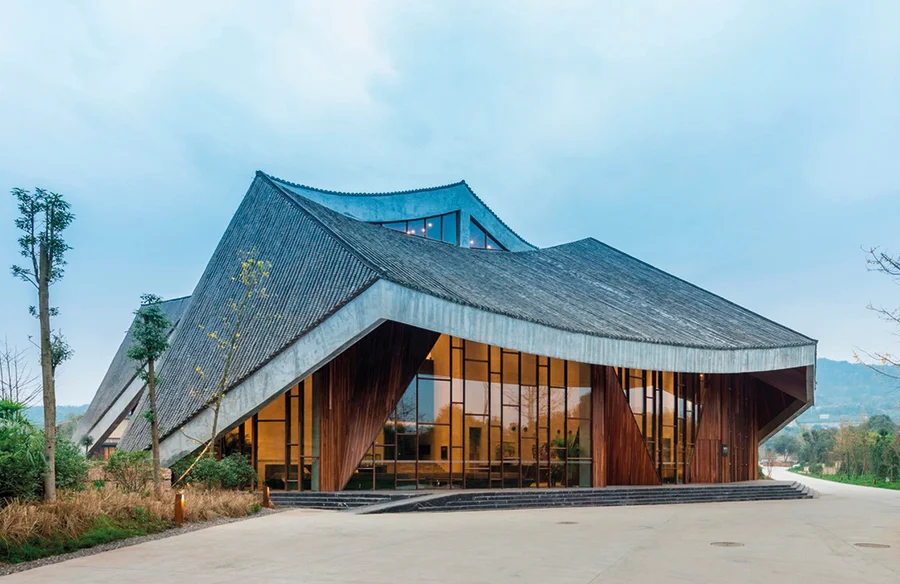

Vernacular architecture represents locally rooted building traditions shaped by climate, culture, available materials, and community lifestyles. Unlike formal architectural styles designed by professional architects, vernacular structures evolve naturally over generations, reflecting how people adapt creatively to their environment.
Across continents, these structures reveal how societies solved everyday challenges—heat, rainfall, earthquakes, flooding, and social organization—long before modern construction technologies existed. Today, vernacular architecture is increasingly valued for its sustainability, resilience, and cultural identity.
What Is Vernacular Architecture?
Vernacular architecture refers to indigenous building practices developed using regional materials and traditional construction knowledge. It typically includes:
- Climate-responsive design strategies
- Use of locally available materials
- Community-based construction methods
- Cultural symbolism and lifestyle integration
- Minimal environmental impact 🌱
These buildings are often energy-efficient by default because they rely on passive cooling, insulation, shading, and natural ventilation techniques rather than mechanical systems.
Vernacular Architecture in South Asia
South Asia demonstrates remarkable diversity in vernacular forms due to varied climates—from deserts to coastal regions to floodplains.
Key Characteristics
Traditional homes respond closely to environmental conditions:
- Mud houses in Rajasthan provide insulation against extreme desert temperatures
- Stilt houses in Assam protect against seasonal flooding
- Courtyard houses in Kerala enhance airflow and daylight
- Bhunga houses in Kutch resist earthquakes due to circular geometry
Materials Used
Common materials include:
- Clay and mud
- Bamboo
- Timber
- Stone
- Lime plaster
These materials help maintain thermal comfort without mechanical cooling systems.
Vernacular Architecture in Africa
African vernacular architecture reflects adaptability to arid landscapes, savannah climates, and community-centered living patterns.
Distinct Features
Traditional African structures often include:
- Thick earthen walls for temperature control
- Circular hut layouts for structural stability
- Decorative symbolic facades
- Community-based courtyard clusters
Regional Examples
Important building traditions include:
- Rondavel huts in Southern Africa
- Adobe mosques in Mali
- Kasbah settlements in Morocco
- Nubian vault houses along the Nile
These structures demonstrate climate-smart solutions long before modern sustainability frameworks existed.
Vernacular Architecture in Europe
European vernacular architecture varies significantly between northern cold climates and southern Mediterranean environments.
Northern Europe
Cold-climate solutions include:
- Timber-framed houses
- Steep roofs for snow shedding
- Compact layouts for heat retention
- Stone foundations for durability
Examples include English cottages and Alpine chalets.
Mediterranean Region
Warm-climate strategies involve:
- Whitewashed walls reflecting sunlight
- Flat roofs for outdoor living
- Thick masonry for thermal buffering
- Narrow streets for shade
Greek island houses are classic examples of passive cooling through urban planning.
Vernacular Architecture in East Asia
East Asian vernacular traditions emphasize harmony between architecture and nature.
Architectural Principles
Key ideas include:
- Flexible interior layouts
- Raised floors for airflow
- Timber joinery without nails
- Orientation based on seasonal winds and sunlight
Notable Examples
Examples across the region include:
- Japanese minka houses
- Chinese tulou communal structures
- Korean hanok courtyard homes
- Vietnamese stilt dwellings
These buildings reflect strong connections between philosophy, environment, and craftsmanship.
Vernacular Architecture in the Americas
From deserts to rainforests, indigenous communities across the Americas developed regionally adapted construction methods.
Climate-Based Solutions
Common strategies include:
- Adobe walls for desert insulation
- Elevated houses for tropical flood zones
- Timber communal structures for social cohesion
- Stone masonry for mountainous regions
Cultural Importance
Structures like Pueblo settlements and Amazonian stilt homes represent architectural systems deeply tied to:
- spirituality
- land stewardship
- collective living traditions
They remain essential models for climate-resilient architecture today.
Vernacular Architecture in the Middle East
Hot desert climates shaped innovative cooling techniques in Middle Eastern vernacular architecture.
Passive Cooling Techniques
Traditional solutions include:
- Windcatchers directing airflow indoors
- Courtyard-centered layouts
- Thick thermal-mass walls
- Shaded lattice window screens
Representative Structures
Examples include:
- Badgir wind towers in Iran
- Tower houses of Yemen
- Courtyard houses across Arabia
These systems demonstrate advanced natural ventilation strategies centuries before air conditioning existed.
Sustainability Lessons from Vernacular Architecture
Modern architecture increasingly draws inspiration from vernacular traditions.
Key sustainable lessons include:
- Designing according to climate rather than resisting it
- Using renewable regional materials
- Encouraging community participation in construction
- Reducing dependence on artificial energy systems
- Promoting long-lasting building traditions
These principles align closely with contemporary goals such as low-carbon design, passive cooling, and resilient settlements.
Cultural Significance of Vernacular Architecture
Beyond functionality, vernacular buildings serve as expressions of identity.
They preserve:
- traditional craftsmanship
- social hierarchies and rituals
- environmental knowledge
- local aesthetics
- community memory
Protecting vernacular architecture helps maintain cultural continuity in rapidly urbanizing societies.
Challenges Facing Vernacular Architecture Today
Despite its importance, vernacular architecture faces several threats:
- rapid urbanization
- replacement by concrete construction
- declining traditional skills
- changing lifestyles
- climate change impacts
Efforts to preserve these traditions require collaboration between communities, planners, and conservation experts.
Frequently Asked Questions (FAQs)
1. Why is vernacular architecture considered sustainable?
Because it uses locally available materials and passive environmental strategies that reduce energy consumption and carbon footprint.
2. How does climate influence vernacular building design?
Climate determines wall thickness, roof shape, ventilation systems, material selection, and settlement patterns.
3. Are vernacular buildings still constructed today?
Yes. Many rural communities continue building using traditional techniques, and architects increasingly reinterpret them in modern projects.
4. What materials are most commonly used in vernacular architecture?
Typical materials include mud, bamboo, timber, stone, lime, thatch, and earth blocks depending on the region.
5. Can vernacular architecture withstand natural disasters?
Many traditional forms are highly resilient—for example circular desert homes resist earthquakes and stilt houses adapt to floods.
6. How does vernacular architecture reflect cultural identity?
It expresses local traditions, social structures, religious beliefs, and lifestyle patterns through layout, decoration, and spatial organization.
7. What role does vernacular architecture play in modern sustainable design?
It provides proven climate-responsive strategies that architects adapt into contemporary eco-friendly buildings worldwide.

Comments are closed.